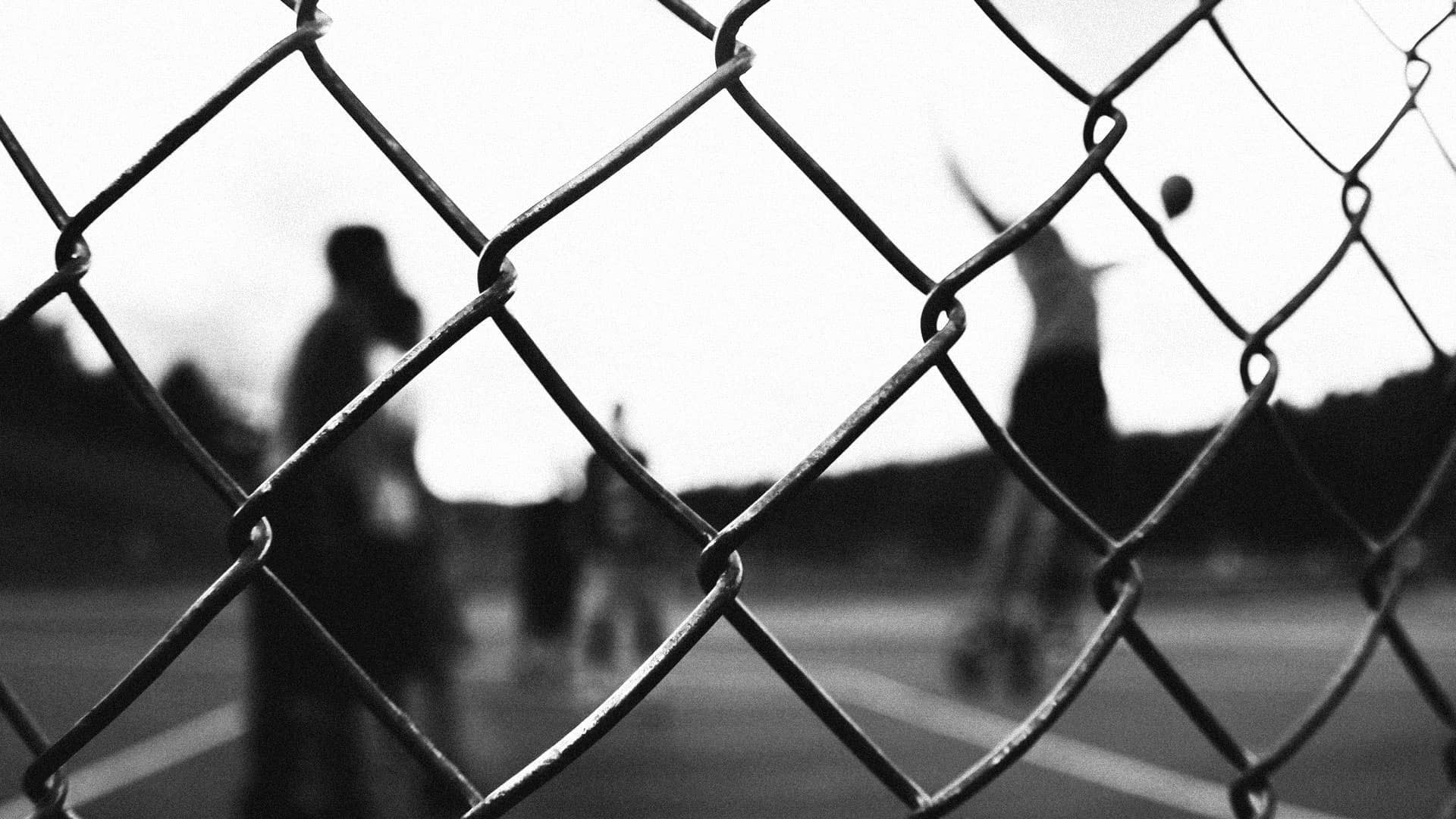

For twenty years, the checkpoint stood at the edge of the village.
It was nothing impressive. A concrete barrier, a small booth, a faded sign and a road that seemed to lose its meaning halfway through. People passed it every day. Some stopped. Some turned around. Children learned not to play nearby.
Then, one morning, it was gone.
There was no ceremony. No speeches. Someone had simply removed the barrier during the night.
At first, people kept slowing down.
Drivers approached the empty space and instinctively reached for their documents. An old woman walking home stopped and looked around, as if she had forgotten something. A boy asked his father whether they were allowed to continue.
Nobody knew what to do with a road that had suddenly become a road again.
For the first few weeks, the checkpoint remained invisible even after it disappeared. People still referred to the place by its old name. They still gave directions using it. They still warned visitors: You will see the checkpoint, then turn left.
But there was no checkpoint.
Perhaps that is the strange thing about borders. They can disappear physically long before they disappear in people’s minds.
Years later, a new café opened there.
The owner put three tables outside, exactly where the barrier had once stood.
People complained at first.
They said it was too close to the road.
Then they started drinking coffee there.
And slowly, without anyone deciding that it had happened, the place stopped being remembered as the checkpoint.
It became the café.
The road continued beyond it.

Leave a Reply